Understanding the 3D Pergola Configurator
In modern landscaping and outdoor living design, the integration of technology has transformed the way we visualize and create outdoor structures. Among these innovations, the 3D pergola configurator has emerged as a game-changer, allowing homeowners and designers to bring their visions to life more efficiently than ever. By leveraging 3D configurators, users can customize, visualize, and simulate various styles and configurations of pergolas in real-time, ensuring an end result that perfectly aligns with their aesthetic preferences and functional needs.
What is a 3D Pergola Configurator?
A 3D pergola configurator is an interactive design tool that allows users to create a virtual representation of their desired pergola. Users can experiment with different dimensions, materials, colors, and styles, providing a comprehensive platform to visualize their outdoor space before any physical work begins. These tools have been widely adopted in the outdoor living industry and are instrumental for both DIY enthusiasts and professional landscape designers.
Benefits of Using the 3D Pergola Configurator
- Enhanced Visualization: Users can see their designs in 3D, allowing for better understanding and decision-making.
- Customization: Users can adjust every aspect of their design, ensuring that the final product meets their personal desires.
- Cost Estimation: Many configurators provide an instant cost analysis as design features are modified.
- Interactive Experience: Users can engage with their design in real-time, making the process more enjoyable and intuitive.
Key Features to Look For
When selecting a 3D pergola configurator, consider the following features:
- User-Friendly Interface: Look for intuitive navigation and design elements.
- Material Options: The configurator should offer a variety of materials to choose from, including wood, aluminum, and vinyl.
- Realistic Rendering: High-quality graphics that accurately depict textures, colors, and lighting conditions are essential.
- Export Options: Ability to export designs and specifications for contractors or further planning.
Getting Started with Your 3D Pergola Configurator
Embarking on the journey to create your dream pergola can be both exciting and overwhelming. Starting with a 3D pergola configurator simplifies this process, allowing users to easily translate their ideas into visual reality.
Initial Setup and User-Friendly Features
Upon opening most 3D configurators, users are greeted with an option to create a new project or select from pre-existing templates. The setup process typically involves choosing a default style for the pergola, which can be adjusted later on as needed. Look for configurators that provide tutorials or guided walkthroughs to familiarize yourself with the tools at your disposal.
Choosing the Right Materials and Styles
One of the key advantages of a 3D pergola configurator is the ability to explore various materials and styles. Popular options include traditional wood, modern aluminum, or durable vinyl. When selecting materials, consider factors like weather resistance, maintenance needs, and overall aesthetic compatibility with your home and garden.
Exploring Design Options in 3D
Experimentation is encouraged; utilize the configurator to explore different layouts, shapes, and orientations for your pergola. For instance, you might try a freestanding design versus one that attaches to your home. Many configurators allow users to manipulate the pergola’s height and width for a tailored fit in their outdoor space.
Common Challenges Users Face
While 3D configurators are designed to simplify the design process, users often encounter a few common challenges that can hinder their experience.
Overcoming Design Limitations
Some users may find that the configurator does not fully capture their visions due to the limitations of the software. It’s essential to keep in mind that while these tools are powerful, there may be functionalities that aren’t available. If necessary, sketch out additional design elements you wish to incorporate and discuss these with a professional.
Troubleshooting Software Issues
Technical problems may arise, such as slow loading times or glitches within the software. Ensure that your device meets the required specifications for running the configurator optimally. Most platforms also provide customer support or FAQs to assist users facing issues.
Managing Budget Constraints
As users experiment with numerous design features, costs can quickly escalate. It’s crucial to set a budget before diving into the configurator. Stick to your budget by limiting the selection of high-end materials or complex designs that can push the overall pricing beyond your set limits.
Best Practices for 3D Pergola Design
To ensure a successful pergola design process, consider several best practices that can enhance the final output of your project.
Incorporating Landscaping and Environment
Designing a pergola should go hand-in-hand with the surrounding landscape. Take note of existing trees and shrubs, and consider how your new structure will complement the overall environment. This harmony will create a more inviting outdoor space.
Ensuring Structural Integrity and Stability
While aesthetic design is crucial, never sacrifice structural integrity. Ensure that your design adheres to local building codes and consider factors like wind resistance and load-bearing requirements when configuring your pergola.
Visualizing Light and Shadow Effects
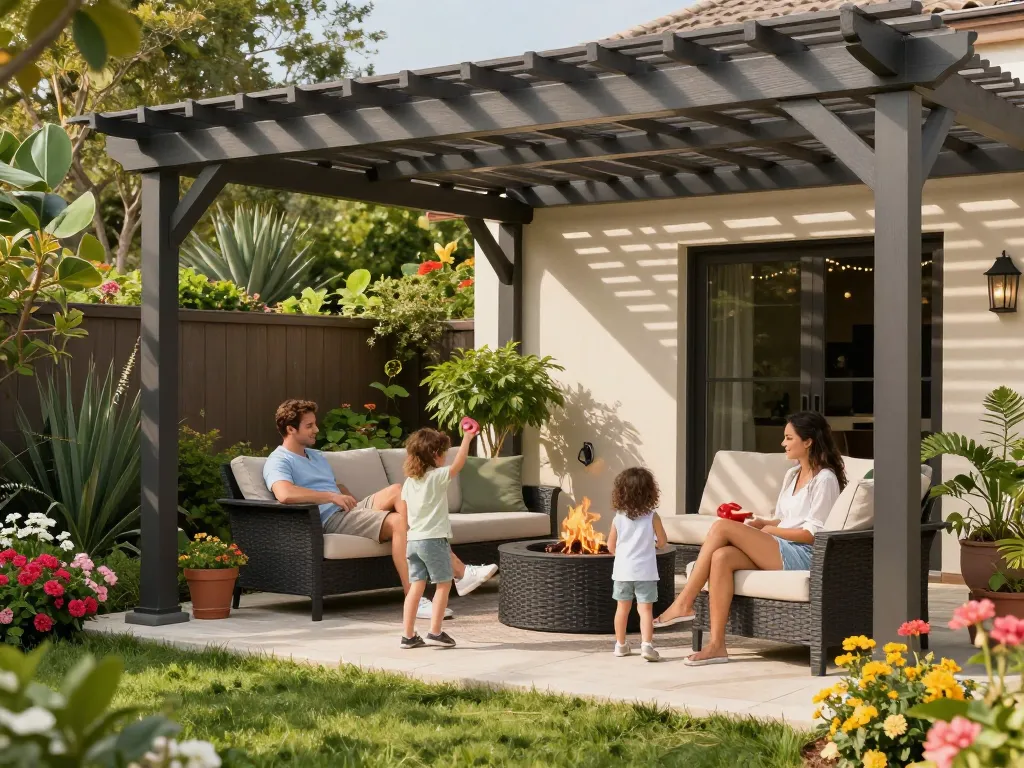
Realistic 3D configurators allow users to simulate how light interacts with their designs throughout the day. Leverage this feature to understand how shadow patterns may influence the usability of the space beneath the pergola. This consideration is vital for creating a comfortable outdoor setting.
Future Trends in Pergola Design and Configurators
The landscape of outdoor design is continually evolving, influenced by technology, consumer preferences, and sustainability considerations. Keeping an eye on these trends can benefit anyone involved in pergola design.
Innovative Technologies Shaping the Industry
Expect advancements in Augmented Reality (AR) and Virtual Reality (VR) integration within 3D configurators. These technologies will further enhance the design process, allowing users to experience their designs in a simulated real-world environment.
Predictions for User Engagement in 2026
As user engagement with digital tools becomes more prevalent, expect a surge in community features within configurators, enabling users to share designs, seek feedback, or even collaborate on projects.
Sustainability Considerations for Outdoor Spaces
As ecological awareness rises, eco-friendly materials and sustainable design practices will dominate pergola configurations. Users may increasingly seek options that minimize environmental impact while maximizing outdoor utility and enjoyment.
Frequently Asked Questions
How Do I Start Using a 3D Pergola Configurator?
To begin, choose a 3D configurator that meets your needs and create an account if necessary. Familiarize yourself with the tools by following any provided tutorials, and start with a basic design to explore the features.
What Factors Should I Consider in Design?
Consider your style preferences, the functionality you need (such as shade or aesthetics), environmental factors, and your budget. These elements will guide your decisions in selecting materials and styles.
Are There Free Versions of 3D Pergola Configurators?
Many configurators offer free versions with limited functionalities. These can be a helpful starting point for individuals wanting to experiment without a financial commitment.
What Are the Benefits of 3D Design Over Traditional Methods?
3D design allows for a more immersive and flexible approach to planning. Users can adjust and visualize their designs in real time, leading to a more precise outcome compared to traditional 2D plans.
How to Share Your Designs with Professionals?
Most configurators provide export options, enabling users to download or share their designs directly with contractors via email or project management tools.