
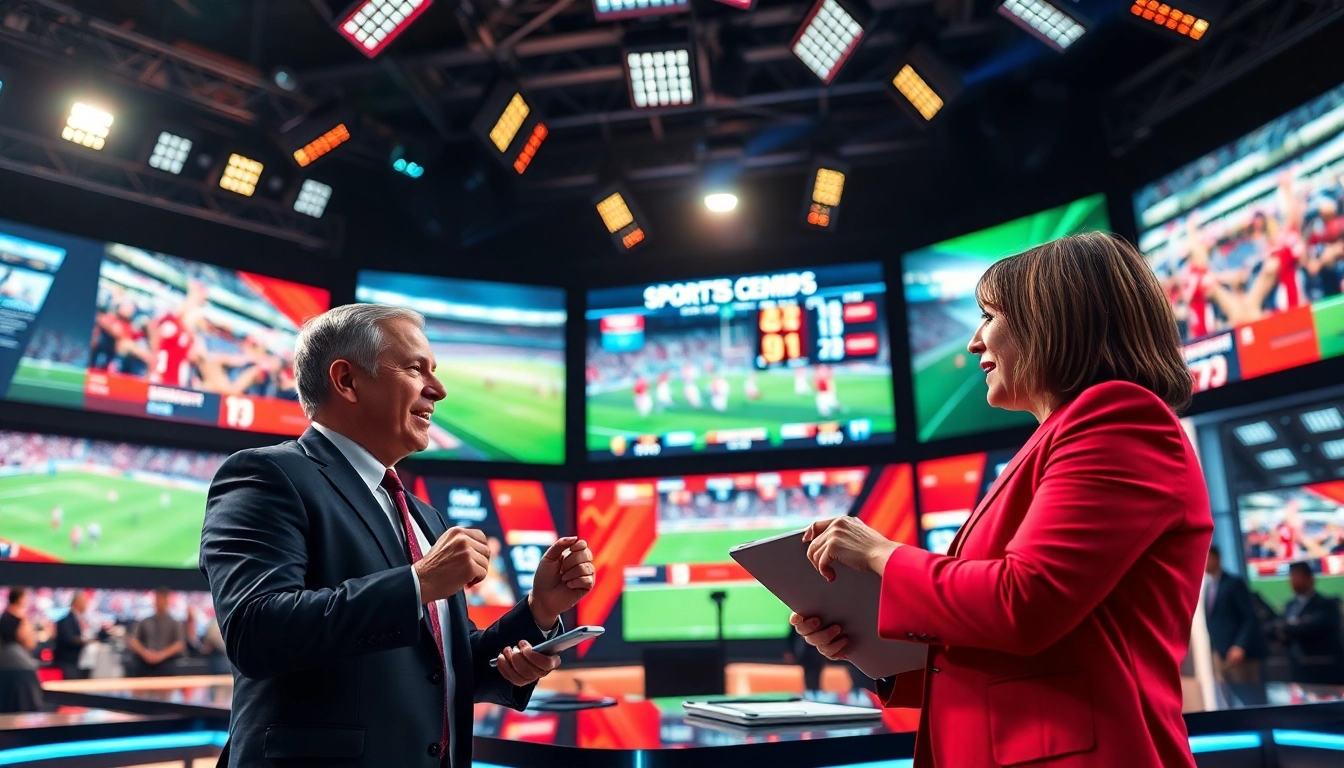
Understanding the Basics of Sports Broadcasting
Definition of Sports Broadcasting
Sports broadcasting encompasses the production and transmission of sports-related content via various media channels, including television, radio, and the internet. This intricate ecosystem involves real-time commentary, analysis, and the showcasing of both live and pre-recorded sporting events. The primary goal is to engage, entertain, and inform audiences, providing them with immersive experiences that enhance their appreciation of the game. In today’s digital landscape, Sports Broadcasting extends beyond traditional platforms, incorporating streaming services, social media, and interactive applications, making it more accessible than ever.
History and Evolution
The origins of sports broadcasting date back to the early 20th century, when radio brought sporting events into the homes of millions. As society progressed, television took the lead in the 1950s, dramatically transforming how fans consumed sports. With the advent of cable and satellite broadcasting, viewers gained access to a wider array of events and specialized sports channels. The internet revolutionized broadcasting in the 2000s, allowing fans to watch games on-demand and access exclusive content through mobile devices and streaming platforms. Today, sports broadcasting continues to evolve with technological advancements such as augmented reality, virtual reality, and AI-driven analysis, reshaping the way audiences engage with sports.
Types of Broadcasts Available
Sports broadcasting is diverse, with several types of broadcasts catering to different audience preferences:
- Live Broadcasting: Real-time coverage of games, events, and competitions, providing immediate access to action.
- Pre-Game Shows: Programs that offer insights, interviews, and analysis before the event starts.
- Post-Game Analysis: Recaps and discussions covering the highlights and critical moments after the event.
- Documentaries and Features: In-depth stories that explore athletes’ journeys, memorable matches, and behind-the-scenes content.
- Podcasts and Radio Shows: Discussions and expert commentary available on-demand or live, covering various aspects of sports.
Key Roles in Sports Broadcasting
On-Air Talent
On-air talent serves as the face of sports broadcasting, providing commentary and analysis to enhance viewers’ experiences. This talent includes play-by-play announcers, color commentators, and sports reporters. Their role requires a deep understanding of the sport, quick thinking, and the ability to engage viewers with dynamic storytelling and insights. Successful on-air talent can bring the excitement of the game to life, making even the most mundane moments feel significant.
Behind-the-Scenes Personnel
Behind the scenes, numerous professionals ensure the smooth operation of broadcasts. Producers coordinate the logistics, directing traffic among various teams and ensuring that every element aligns perfectly. Writers and researchers contribute to the content, providing scripts, background information, and statistics. Camera operators, sound engineers, and graphics specialists bring the visual aspect to life, creating a polished final product that captivates audiences.
Production Teams and Their Functions
Sports broadcasting relies heavily on well-coordinated production teams to deliver high-quality broadcasts. Each member plays a crucial role:
- Director: Oversees the visual flow of the broadcast, making real-time decisions about camera angles and shots.
- Technical Director: Manages equipment and controls the audio-visual elements, ensuring synchronization between audio and video.
- Graphics Operator: Responsible for creating and displaying real-time statistics, scores, and visual enhancements.
- Audio Engineer: Monitors sound quality, ensuring that commentary and crowd noises are balanced and clear.
Essentials of Sports Broadcasting Technology
Equipment Used in Live Sports
Live sports broadcasting requires specialized equipment to deliver content effectively. Key components include:
- Cameras: High-definition cameras capture the action, often with varying zoom capabilities for close-ups and wide shots.
- Microphones: Lavaliers for interviewers and shotgun microphones to capture ambient sounds, creating an immersive experience.
- Switchers and Mixers: Essential for transitioning between different camera feeds and managing audio levels.
- Replay Systems: Allow for instant replays of pivotal moments, enhancing viewer engagement.
Broadcast Software and Tools
Modern broadcasting relies on robust software solutions to streamline production. Applications such as broadcasting automation software help manage playlists, while graphics generation software creates on-screen information dynamically. Analysts use data visualization tools to present statistics, and remote production tools enable multi-camera setups from different locations, enhancing the breadth of coverage.
Challenges in Technical Setup
Despite advancements in technology, sports broadcasting faces various technical challenges. These may include:
- Connectivity Issues: Maintaining stable internet connections, especially in remote locations, is crucial for live broadcasts.
- Equipment Failures: Backup systems and regular maintenance are essential to avoid outages during critical moments.
- Time Constraints: Quick turnaround times necessitate seamless coordination to ensure timely broadcasts without compromising quality.
Strategies for Engaging Sports Broadcasting
Commentary Techniques and Styles
Effective commentary is vital in enhancing viewer engagement. Successful commentators employ various techniques, such as:
- Descriptive Language: Vivid descriptions paint a picture of the action, making it easier for viewers to visualize events.
- Storytelling: Weaving narratives that connect the sport to broader themes captivates audiences and builds emotional investment.
- Humor and Personality: Engaging commentary that reflects the commentator’s unique style can resonate with audiences, fostering loyalty.
Building a Connection with Audience
Establishing a rapport with viewers is key in sports broadcasting. This can be achieved through:
- Interactivity: Engaging with fans via social media or live chats during broadcasts creates a two-way communication channel.
- Personal Touch: Commentators who share personal stories or experiences related to the sport can deepen audience connection.
- Responsive Content: Adapting coverage to reflect audience preferences ensures content remains relevant and engaging.
Utilizing Social Media for Amplification
With the rise of social media, broadcasters can amplify their content significantly. Strategies include:
- Highlight Clips: Posting short, engaging clips of key moments encourages sharing and drives traffic to live broadcasts.
- Behind-the-Scenes Content: Sharing preparation and production stories humanizes the broadcast team and generates audience interest.
- Fan Engagement Campaigns: Initiatives like polls, giveaways, and Q&A sessions invite audience participation, enhancing loyalty.
Performance Metrics in Sports Broadcasting
Measuring Audience Engagement
Understanding audience engagement is vital for continuous improvement in sports broadcasting. Metrics to consider include:
- Viewership Numbers: Tracking live viewers and unique visitors helps assess the broadcast’s reach.
- Social Media Interactions: Likes, shares, comments, and retweets indicate how well content resonates with audiences.
- Dwell Time: Analyzing how long viewers stay engaged with content can illuminate areas of improvement.
Analyzing Ratings and Viewership
Broadcast ratings provide insights into the overall performance and popularity of sports broadcasts. Ratings can be influenced by various factors, including:
- Competition: Viewer choices may shift depending on concurrent events or rival broadcasts.
- Time Slots: Scheduling can significantly affect viewership based on audience availability.
- Marketing Efforts: Effective promotional campaigns can boost interest and viewership for specific events.
Feedback and Continuous Improvement
Acquiring audience feedback is essential for refining sports broadcasting strategies. Methods include:
- Surveys: Gathering viewer opinions post-broadcast can reveal areas for improvement.
- Focus Groups: Engaging with dedicated fan groups provides qualitative insights that surveys might miss.
- Performance Reviews: Analyzing team performance and discussing successes and challenges can foster collective growth.
Frequently Asked Questions
What is sports broadcasting?
Sports broadcasting refers to the transmission and coverage of sports events through various media channels, including television, radio, and online platforms.
How has sports broadcasting evolved over time?
From early radio broadcasts to today’s digital streaming and interactive content, sports broadcasting has continually adapted to technological advancements and changing viewer preferences.
What roles are essential in sports broadcasting?
Key roles include on-air talent (commentators and reporters), behind-the-scenes personnel (producers and writers), and production teams (camera operators and technicians).
What technology is used in live sports broadcasting?
Essential technologies include high-definition cameras, microphones, switchers, mixers, and broadcast software for seamless operation and audience engagement.
How is audience engagement measured in sports broadcasting?
Metrics such as viewership numbers, social media interactions, and dwell time are crucial for understanding audience engagement and informing future broadcasts.