
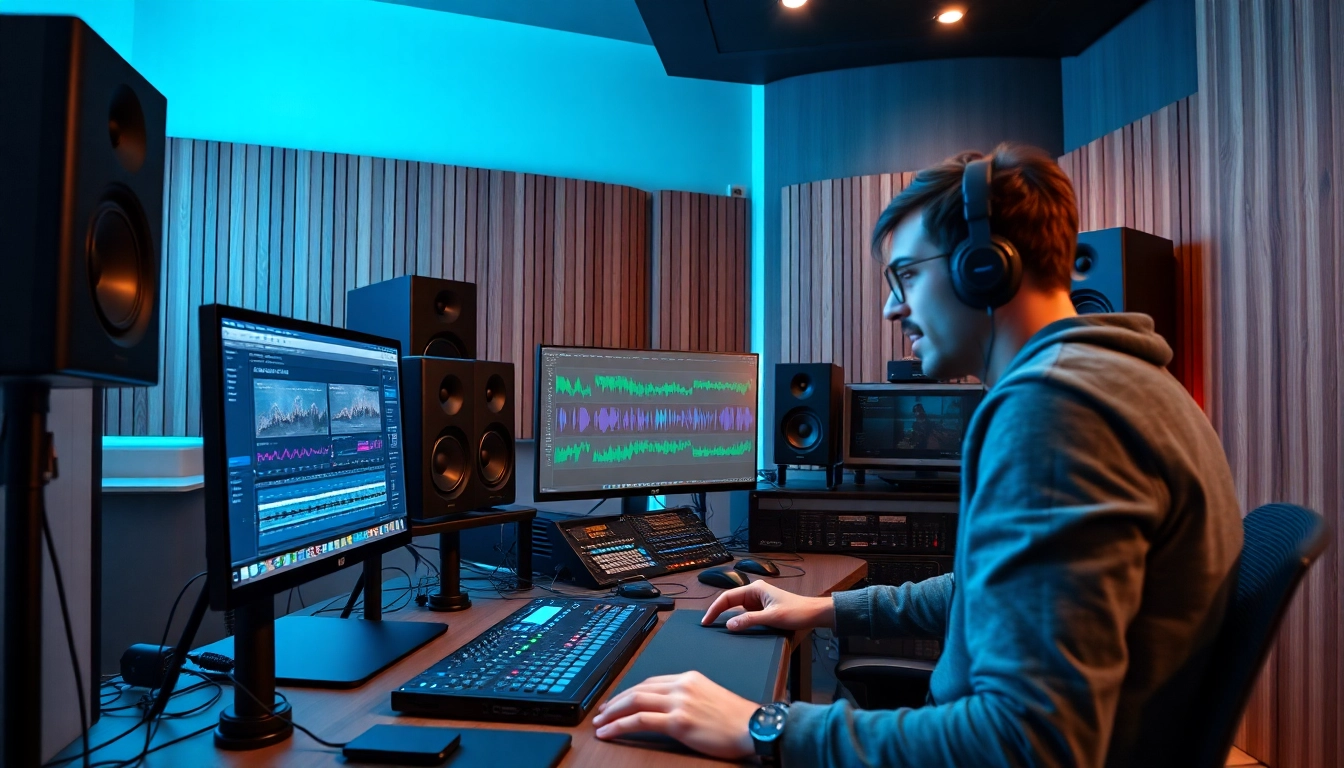
Understanding Online Mastering
What is Online Mastering?
Online mastering refers to the process of preparing and transferring recorded audio from a final mix to a data storage device—essentially the ultimate stage of music production done via digital platforms. While traditional mastering typically involves physical studios and a hands-on engineer, online mastering allows artists and producers to submit their tracks through the internet to professional mastering services, who then provide the final polished version of the track. This democratization of music production lets a wide range of artists access high-quality mastering services without the necessity of geographical proximity. For anyone venturing into the world of audio production, understanding online mastering’s nuances can lead to superior sound quality and professional results, whether you are a seasoned artist or an aspiring musician.
Benefits of Using Online Mastering
The benefits of using online mastering are manifold. First and foremost, convenience stands out. Artists can send their tracks from anywhere in the world, eliminating the need for travel and reducing associated expenses. Moreover, online mastering services often offer cost-effective rates, which might be significantly lower than traditional studios without compromising on quality. These services typically feature advanced software and algorithms that might even surpass certain physical setups, providing quick turnaround times alongside impressive results.
Additionally, many online mastering platforms offer a variety of mastering styles, catering to different genres and allowing for creative flexibility. You can also receive real-time feedback, directly communicating with mastering engineers, which fosters collaboration and fine-tuning of your sound. By opting for online mastering, artists are not just acquiring a service, but embracing a streamlined workflow that enhances their music’s quality and reach. Online mastering serves as a gateway to professional standards, giving musicians the edge in a competitive industry.
How Online Mastering Works
Online mastering entails several steps that ensure the audio tracks achieve the desired sonic output. First, an artist uploads their final mix to the chosen mastering service. This often involves selecting the specific mastering options pertinent to the track’s genre and intended aesthetic. Upon submission, mastering engineers begin their work. They utilize sophisticated digital tools to enhance volume levels, equalize frequencies, and apply dynamic processing to ensure the track sounds polished and commercial-ready.
Once the mastering is complete, the final track is typically returned to the artist for review, revealing the importance of artist feedback during this critical stage. Some services permit revisions, allowing artists to request adjustments to better fit their creative vision. Importantly, the entire process is completed without the need for in-person meetings, making it efficient and adaptable for varied schedules and workflows. The flexibility offered by online mastering platforms aligns perfectly with the modern digital landscape, catering to the evolving needs of creators.
Choosing an Online Mastering Service
Factors to Consider When Selecting
When considering an online mastering service, several factors should influence your decision. Firstly, assess the quality of the service by listening to samples of their work. A reputable mastering service will often showcase before-and-after examples of mastered tracks to exhibit their capabilities.
Another crucial aspect is the range of options available. Look for services that allow customization in the mastering process, such as genre-specific mastering styles or additional features like stem mastering. Reliability is also vital; read reviews and testimonials from previous clients to gauge the service’s consistency and professionalism.
Furthermore, check what kind of support and communication the service offers. Efficient customer service can make a difference, especially if you encounter issues or require assistance during the process. Lastly, consider the platforms’ integration capabilities with your existing production tools. It enhances the overall experience by creating a seamless workflow.
Common Features of Online Mastering Services
Online mastering services often provide a plethora of features tailored to enhance the user experience and the quality of the finished product. At the core, many platforms offer automated mastering tools that analyze your mix against a vast database of commercial tracks, suggesting optimal adjustments.
Beyond automation, many services include access to seasoned mastering engineers who can attend to unique needs and preferences, providing a personalized touch to the mastering process. Various file formats are accepted, ensuring versatility for different genres and applications.
Additional features to look for include: the ability to provide both high-resolution files and MP3s, convenient tools for comparing different versions of a mastered track, and direct upload capabilities to popular streaming platforms. Such functionalities play a crucial role in simplifying an artist’s workflow while ensuring top-tier results.
Comparing Pricing Plans
Pricing for online mastering services varies based on several factors, including the reputation of the service, features offered, and the quality of output. Most companies provide tiered pricing options based on the number of tracks, desired mastering style, and turnaround speed.
It’s essential to compare what is included in each plan; some may offer a basic package that covers single track mastering, while others include multiple revisions or advanced features in a higher-tier package. Look for transparency in pricing, where all costs are clearly outlined and free from hidden fees.
Furthermore, consider the value each service provides beyond just the price tag. An economical choice isn’t always the best if it compromises the quality of your music. Aim for a service that balances affordability with skilled craftsmanship to ensure the best end product.
Best Practices for Preparing Your Audio
How to Prepare Tracks for Mastering
Proper preparation of your tracks is paramount for achieving an exceptional mastered sound. First and foremost, ensure that your mix is well-balanced. This means ample clarity throughout all frequency ranges, where no individual instrument overshadows another. Aim for a dynamic range that reflects the emotionality of your song while keeping overall levels below digital peaking to avoid distortion.
Before submitting your tracks for mastering, export them in a lossless format such as WAV or AIFF to preserve audio quality. It’s critical to retain headroom, typically around -6 dB, to allow mastering engineers room to work without clipping. Remember also to include any specific instructions regarding artistic goals or sound references to guide the mastering process. Such considerations will empower engineers to fulfill your vision accurately and efficiently.
Common Mistakes to Avoid
There are pitfalls to be mindful of when preparing music for online mastering. A frequent oversight is inadequate headroom, which can lead to unwanted distortion during the mastering phase. Avoid overly compressing your mix—while dynamic processing can enhance sound, excessive compression can diminish impact and clarity.
Another common mistake is neglecting to check how the track translates across various playback systems. A mix may sound amazing on high-quality studio monitors but falter on consumer audio systems. Ensure your mix is tested in different environments to guarantee consistency.
Finally, avoid making last-minute decisions about parts of the mix right before submission. Be confident in your choices and allow for sufficient time to finalize your track before mastering. Rushing can lead to missed details that would otherwise elevate the final product.
How to Achieve the Best Sound Quality
Achieving the best sound quality during the mastering process hinges on careful preparation and attention to detail. Firstly, ensure your mix is clear, with each instrument occupying its own spatial area in the mix. This clarity is crucial for the mastering process, as it directly impacts how the track will resonate on different platforms.
Utilizing reference tracks can provide direction by comparing your mix to professionally mastered songs in the same genre. Pay attention to tonal balance, dynamics, and overall loudness level of these tracks during your mixing phase to identify areas needing improvement in your track.
Lastly, don’t overlook the acoustic environment in which you mix. If possible, use high-quality headphones or studio monitors in a well-treated room to ensure accurate sound perception. Your listening environment has a significant influence on your mixing decisions and, subsequently, the quality of your final product.
Evaluating Your Mastered Audio
Listening Criteria for Mastered Tracks
Once you receive your mastered tracks, evaluating them against specific criteria will ensure they meet your artistic vision and professional standards. Begin by listening on various playback systems, including headphones, studio monitors, and consumer devices, to assess how the track translates across different platforms.
Pay attention to clarity and dynamics. Each element in the mix should be discernible but cohesive, contributing to the overall flow of the track. Additionally, analyze the loudness level—exists a balance where the track feels powerful yet not overly compressed?
Finally, ensure that frequency ranges are balanced, with no elements sounding muddy or harsh. This attention to detail will elevate your music’s professionalism and listener enjoyment.
Technical Aspects to Review
Aside from subjective listening criteria, certain technical aspects warrant examination when evaluating mastered tracks. Check the overall loudness and dynamic range using tools like LUFS meters to confirm that your track adheres to the loudness standards of contemporary music while maintaining dynamic integrity.
Inspect the frequency spectrum for any problematic resonances or unexpected peaks that could lead to distortion. Software analyzers can provide visuals of the frequency balance, helping you pinpoint areas that may require tweaking in the mastering process.
Additionally, scrutinize the stereo imaging. A well-mastered track will have a delicate balance of sounds across the stereo field, providing depth and providing a captivating auditory experience. Every element should feel blended in a way that supports the track’s arrangement and emotional intent.
Adjusting Based on Feedback
Feedback is a critical component of the mastering process. After you’ve evaluated your track, gather insights from trusted peers or collaborators who have an ear for sound. Constructive criticism can illuminate perspectives you may have missed, offering opportunities for enhancement.
Be open to adjusting aspects of your track based on this feedback. Typically, services offer revisions that allow for tweaks to the final product—taking advantage of this will enable you to refine your audio to perfection. Ensure you communicate specific areas that require alteration or enhancement, helping engineers achieve your desired sound vision.
Importantly, maintain a balance between your personal creative vision and the input received. Utilize feedback to enhance, rather than dilute, the signature sound that defines your music.
FAQs About Online Mastering
What is the typical turnaround time for online mastering?
Turnaround times vary but typically range from 1 to 5 business days, depending on the service provider.
How does online mastering differ from traditional mastering?
Online mastering offers convenience and cost-effectiveness, allowing artists to submit tracks digitally instead of in-person sessions.
Can I get revisions on my mastered tracks?
Many online mastering services offer revisions; however, policies vary, so it’s important to check the terms before submitting.
Do I need to provide specific formats for my audio?
Yes, providers usually accept common formats such as WAV and AIFF; always confirm the requirements for best results.
Can I use online mastering for any genre of music?
Absolutely! Most online mastering services are equipped to handle various genres, ensuring your music’s unique sound is preserved.