
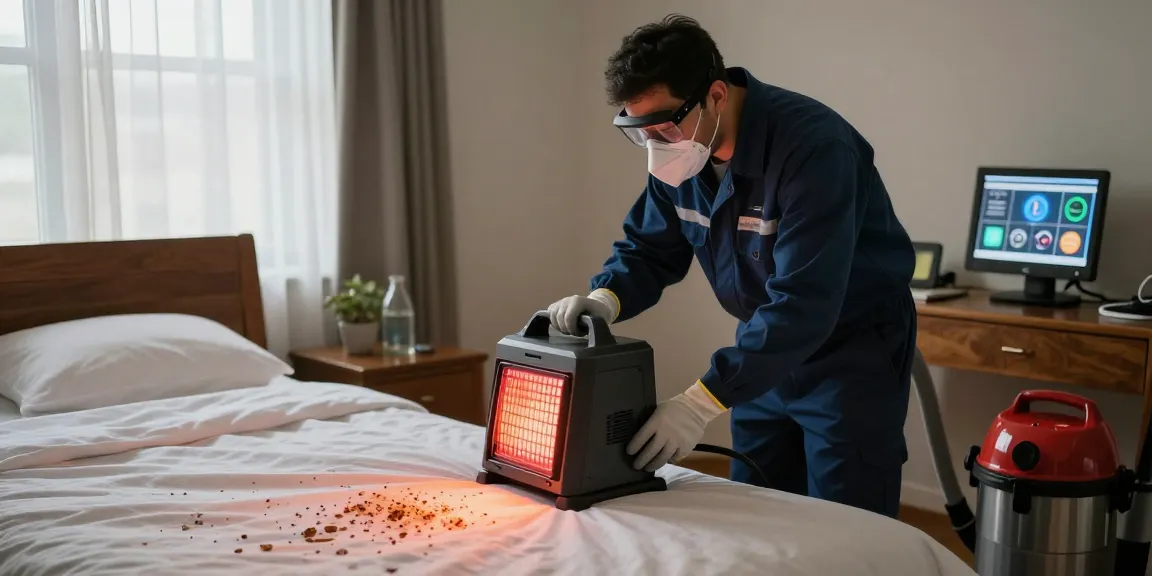
Understanding Bed Bug Heat Treatment
Bed bugs have become a persistent nuisance in households across the U.S., including Milwaukee and Southeast Wisconsin. These small, blood-sucking pests not only disrupt sleep patterns but can also lead to significant psychological stress and financial loss. With over 50 years of combined experience, Affordable Bed Bug Exterminators offers a variety of effective solutions to combat bed bug infestations. One of the most efficient and increasingly popular methods is bed bug heat treatment, which effectively eliminates these pests in all life stages without the use of harmful chemicals.
What is Bed Bug Heat Treatment?
Bed bug heat treatment is a pest control method that uses elevated temperatures to eradicate bed bugs and their eggs. By heating an infested area to a temperature above 120°F (49°C), bed bugs are exposed to lethal conditions that lead to their death. This method is especially advantageous because it eliminates the pests without the need for chemical insecticides, making it a safer choice for households with children and pets.
How Heat Treatment Works
The process of bed bug heat treatment involves specialized equipment to distribute heat uniformly throughout the infested space. The heating system raises the ambient temperature, allowing it to penetrate various surfaces—including mattresses, furniture, and behind walls—effectively targeting hidden nests. The treatment usually lasts several hours, ensuring that the entire room reaches a sufficient temperature to kill bed bugs at every life stage.
Benefits of Choosing Heat Treatment
- Non-Toxic Solution: Ideal for families with young children or pets, heat treatments do not involve any chemical pesticides.
- Effective Against All Life Stages: This method kills not just adult bed bugs but also their eggs, preventing future infestations.
- Faster Results: Unlike chemical treatments, which may require multiple applications over weeks, heat treatment can deliver immediate results.
- Environmental Impact: Heat treatment is often more environmentally friendly, reducing the reliance on harmful chemicals.
Preparing for a Heat Treatment
Initial Steps Before Treatment
Preparation is key to the success of bed bug heat treatment. Homeowners should follow specific guidelines to ensure a smooth process. First, all items that can be removed from the treatment area should be cleared out. This includes clothing, toys, and any other personal belongings that could obstruct the heat. Additionally, you may need to unplug electrical devices and ensure proper ventilation throughout the area.
What to Expect During the Process
During the treatment, a professional will arrive with equipment that may include heaters, fans, and temperature sensors. The goal is to achieve a consistent temperature throughout the room. You may need to vacate the premises for a few hours to allow the heat to circulate effectively and eliminate the pests completely. Technicians will monitor temperatures closely to ensure effectiveness while mitigating risks.
Post-Treatment Care and Safety
Once the treatment is complete, it’s crucial to follow up with your pest control experts for any necessary inspections. They will advise you on when it’s safe to re-enter your home and provide recommendations to prevent re-infestation. It’s also wise to keep your living space clutter-free and regularly inspect for any signs of bed bugs.
The Efficacy of Heat Treatment
Effectiveness Against All Life Stages
Bed bug heat treatment is recognized for its efficacy against all life stages of bed bugs. Research indicates that when exposed to temperatures above 120°F for a sustained period, bed bugs and their eggs perish. This makes it one of the most comprehensive solutions for bed bug eradication.
Comparing Heat Treatment to Chemical Treatments
While chemical treatments can provide long-lasting protection through residual effects, they often require multiple applications and are not effective in reaching every hiding spot within a home. Conversely, heat treatment penetrates these hard-to-reach areas, eliminating pests that traditional methods might miss. This straightforward approach not only simplifies the remediation process but often reduces overall costs associated with prolonged infestations.
Real-World Success Stories
Many clients have reported remarkable success following bed bug heat treatments. For instance, a case study involving 22 apartments demonstrated significant reductions in bed bug populations even in the presence of resistant strains. The heat treatment produced lasting results, showcasing its reliability as a go-to solution for bed bug infestations.
Cost Considerations for Bed Bug Heat Treatment
Average Costs and Factors Influencing Price
The cost of bed bug heat treatment can vary based on several factors, including the size of the treatment area, the severity of the infestation, and the geographical location. On average, homeowners can expect to pay between $800 and $2,500 for a comprehensive heat treatment service. Additional costs may incur for follow-up visits or specialized equipment.
Examining Value: Pricing Against Competitor Services
While some competitors may offer lower rates, it’s essential to evaluate the total value of the service provided. Affordable Bed Bug Exterminators emphasizes quality and effectiveness, often leading to fewer repeat treatments and significant long-term savings. Investing in a reputable service can often yield better results than opting for the cheapest solution.
Long-Term Savings from Heat Treatment
Choosing heat treatment not only addresses the immediate problem but can also save money in the long run. By effectively eliminating all life stages of bed bugs, homeowners reduce the risk of repeat infestations that can lead to costly repairs and replacements, such as upholstery and mattresses.
Emerging Trends in Bed Bug Treatments
Technological Innovations in Pest Control
Advancements in pest control technology continually enhance the efficacy of treatments. Innovations such as heat mapping and infrared imaging allow exterminators to identify hidden infestations more effectively and tailor treatments to specific areas, ensuring comprehensive coverage.
Future Predictions for the Bed Bug Treatment Market
As awareness and demand for effective bed bug solutions grow, the treatment market is predicted to evolve. More eco-friendly options and technological advancements will shape the future of bed bug control, making it easier for homeowners to access efficient pest management solutions.
Expert Insights on Preventative Measures
Prevention is as crucial as treatment when it comes to managing bed bugs. Regular inspections, vigilance when traveling, and the use of protective mattress encasements can play significant roles in preventing infestations. Additionally, ongoing education about bed bug behaviors and signs can further equip homeowners to act promptly.
What are the signs of a bed bug infestation?
Common signs include dark spots on bedding, shed skins, and small bloodstains. Homeowners may also notice itchy, red welts on their skin. If you suspect an infestation, early detection is imperative for effective treatment.
How long does bed bug heat treatment take?
The actual treatment generally takes a few hours, but the preparation and post-treatment evaluations can extend the overall process to a full day.
Is heat treatment safe for pets and children?
Yes, heat treatment is safe for pets and children when conducted properly. Technicians will ensure that the temperature remains at safe levels for all living beings while effectively eliminating bed bugs.
Will bed bug heat treatment damage my furniture?
Heat treatment is designed to be safe for most household items when executed correctly. However, certain sensitive materials may require special considerations. Always consult your pest control experts beforehand.
How can I prevent future infestations?
Preventative measures should include regular inspections, vacuuming frequently, and using protective covers on mattresses and box springs. Being vigilant about inspecting luggage and second-hand items can also help mitigate risks.