
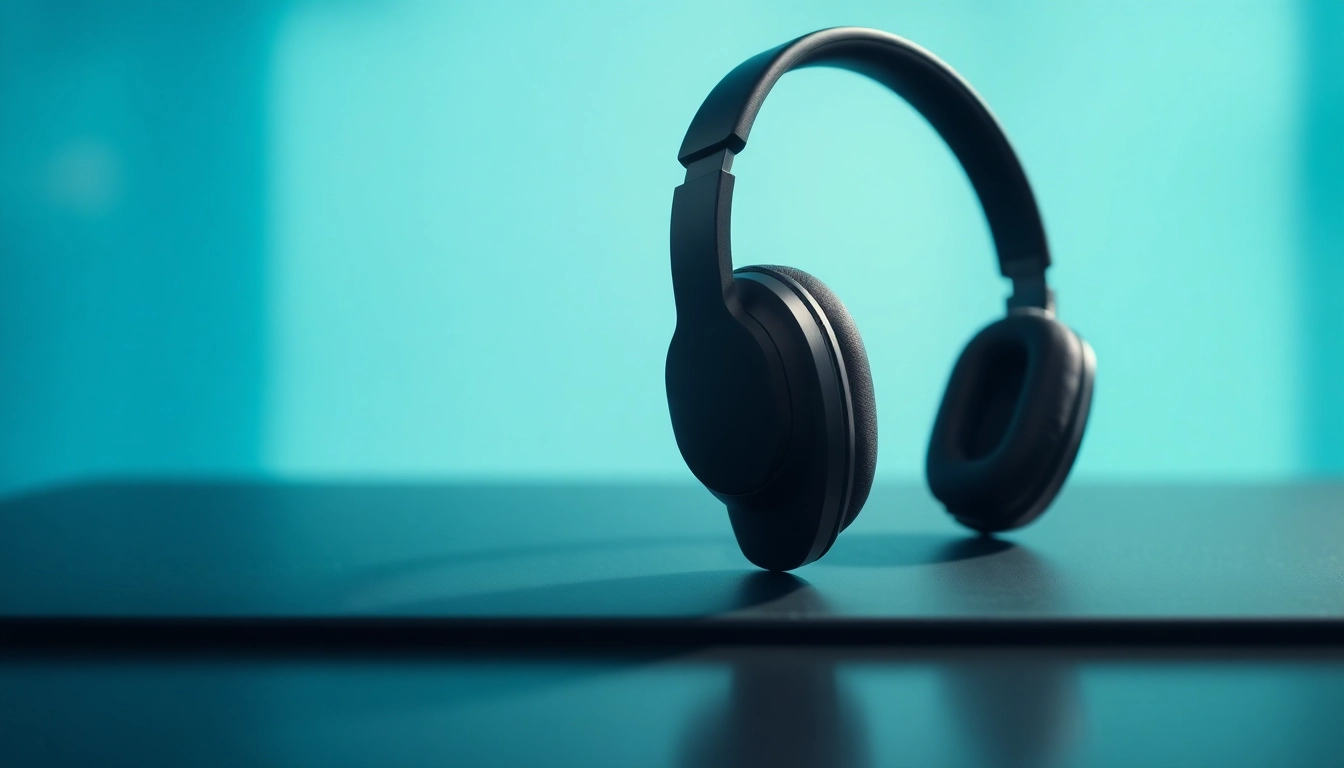
Understanding F1 Bone Conduction Headphones
What are Bone Conduction Headphones?
Bone conduction headphones are a unique type of audio device that transmits sound through the bones of the skull, allowing users to listen to audio while keeping their ears free. This technology bypasses the eardrum, making them an ideal choice for individuals with hearing impairments or those who want to remain aware of their surroundings while enjoying music or podcasts. The F1 Bone Conduction Headphones exemplify this innovative approach, combining cutting-edge technology with comfort and convenience.
How Do F1 Bone Conduction Headphones Work?
F1 Bone Conduction Headphones utilize vibrations to transmit sound. The device’s transducers convert audio signals into mechanical vibrations, which travel through the bones of the skull to the inner ear. This method allows for a direct auditory experience without blocking the ear canal, facilitating a natural sound perception that can be enjoyed even in noisy environments. Furthermore, this design provides a safer listening experience, particularly for outdoor activities where awareness of surrounding noises is essential.
Benefits of Using Bone Conduction Technology
The advantages of bone conduction headphones, such as the F1 model, are numerous. They provide an alternative for the hearing-impaired by directly transmitting sound to the inner ear, without relying on traditional methods that may be insufficient. Additionally, since the ears remain open, users can listen to audio while simultaneously engaging with their environment, a crucial feature for athletes and outdoor enthusiasts. The comfort and stability offered by such headphones are also significant, making them an attractive option for extended use.
Features of F1 Bone Conduction Headphones
Design and Comfort Considerations
The design of F1 Bone Conduction Headphones is meticulously crafted to enhance wearability. Lightweight materials ensure that they do not fatigue the wearer during long listening sessions. The ergonomics play a crucial role in providing a secure fit, which is particularly important during physical activities like running or cycling. Soft cushioning around the temples minimizes discomfort, while adjustable components allow for a customized fit, making them suitable for various head sizes.
Audio Quality and Performance Metrics
Despite the unconventional method of sound delivery, the F1 Bone Conduction Headphones offer impressive audio quality. They are engineered to produce clear, distortion-free sound across a range of frequencies, challenging the common misconception that bone conduction systems sacrifice audio fidelity. Performance metrics such as frequency response and sound pressure levels are optimized, enabling listeners to enjoy crisp highs and deep lows while maintaining the distinct benefits of bone conduction technology.
Battery Life and Charging Options
Battery life is a critical aspect of the user experience when considering headphones. The F1 Bone Conduction Headphones are equipped with a powerful, long-lasting battery capable of providing several hours of playback on a single charge. Innovative charging solutions, such as rapid charge capabilities and USB-C compatibility, ensure that users can quickly recharge their headphones between uses, minimizing downtime and maximizing enjoyment.
Choosing the Right F1 Bone Conduction Headphones
Key Factors to Consider Before Purchase
When selecting F1 Bone Conduction Headphones, there are several key factors to contemplate. First, consider the intended use—will they be used primarily for casual listening, workouts, or professional purposes? The specific features required, such as wireless connectivity or water resistance, will vary based on usage. Moreover, look into battery performance and audio quality metrics to ensure that the product meets personal expectations and needs.
Price Comparison and Value Proposition
Pricing for bone conduction headphones can vary significantly depending on the brand and features. With the F1 Bone Conduction Headphones, buyers should assess not only the initial cost but also the value it provides in terms of durability, comfort, and audio performance. Comparing these attributes with traditional headphones can clarify whether the investment aligns with the user’s lifestyle and audio preferences. Observing sales and discounts can also guide savvy shoppers toward the best purchase decisions.
Target Audience and Use Cases
The target audience for F1 Bone Conduction Headphones includes fitness enthusiasts, individuals with hearing difficulties, and those seeking a safer listening experience. Athletes can benefit from the open-ear design, allowing for ambient sound awareness while training outdoors. Additionally, professionals who work in environments where communication is critical may find these headphones advantageous, as they can remain alerted to nearby conversations while simultaneously engaging with audio content.
Comparing F1 Bone Conduction Headphones with Traditional Headphones
Sound Quality Differences Explained
When comparing F1 Bone Conduction Headphones to traditional headphones, sound quality remains a pertinent consideration. Traditional headphones typically deliver a fuller sound experience with enhanced bass response, while bone conduction headphones rely on vibrations, which can lead to a different auditory perception. However, advancements in technology have improved the audio clarity and richness of bone conduction systems, bridging the gap between the two types and making them a viable option for many listeners.
Use Cases: Sports vs. Casual Listening
The suitability of F1 Bone Conduction Headphones for sports is largely attributed to their design, which allows for movement without hindrance. Athletes often prioritize ambient sound awareness for safety and practicality during outdoor activities. Conversely, traditional headphones may be favored for casual listening when sound isolation is desired and environmental awareness is less critical. Evaluating the primary purpose will help users determine which type of headphone best aligns with their listening habits.
Health Considerations of Each Type
There are important health considerations tied to both bone conduction and traditional headphones. Bone conduction headphones are less likely to cause ear fatigue and discomfort as they avoid blocking the ear canal. This feature is especially beneficial for prolonged use. Conversely, traditional headphones can inadvertently lead to hearing loss if used at high volumes for extended periods due to their design. Educating oneself about safe listening practices can mitigate the risks associated with either type of headphone.
FAQs about F1 Bone Conduction Headphones
1. Can Bone Conduction Headphones Cause Hearing Damage?
Generally, bone conduction headphones result in less risk for hearing damage since sound is transmitted via the bones rather than directly through the eardrum. However, listening at high volumes can still pose risks.
2. Are F1 Bone Conduction Headphones Waterproof?
F1 Bone Conduction Headphones come with varying degrees of water and sweat resistance. Users should check product specifications for exact ratings to ensure suitability for their activities.
3. How Do You Clean Bone Conduction Headphones?
To clean bone conduction headphones, use a soft, dry cloth to wipe the surface. Avoid using water or cleaning solutions directly on the devices to maintain their integrity.
4. Do F1 Bone Conduction Headphones Work with Glasses?
Yes, F1 Bone Conduction Headphones are designed to be comfortable for users who wear glasses. Their unique design allows for glasses to fit without causing discomfort.
5. What is the Warranty Period for F1 Bone Conduction Headphones?
The F1 Bone Conduction Headphones typically come with a warranty that covers manufacturing defects. Specific terms may vary, so it’s advisable to check the packaging or product details.