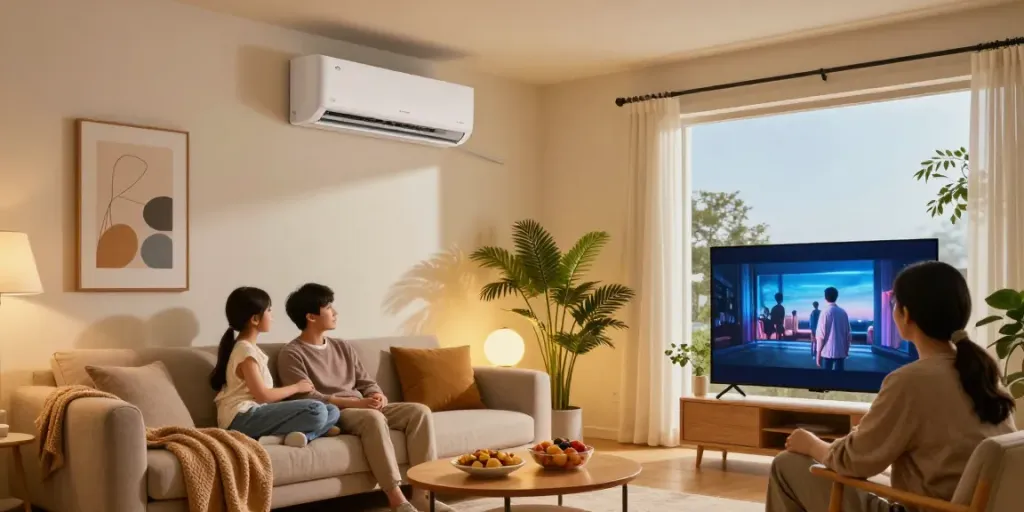
Understanding the 24000 BTU Mini Split Air Conditioner
When it comes to cooling or heating large spaces, the 24000 btu mini split air conditioner stands out as a versatile and efficient solution. These systems, known for their compact design and ductless operation, are ideal for residential and commercial applications where traditional HVAC systems may fall short. In this article, we'll explore what a mini split system is, examine its numerous benefits, and help you determine if a 24000 BTU model is right for your specific needs.
What is a Mini Split System?
A mini split system is a type of ductless heating and cooling system that comprises two main components: an outdoor unit and one or more indoor air-handling units. The units are connected by refrigerant lines and electrical wiring, allowing for efficient air distribution without the need for ductwork. This design provides homeowners with flexible installation options and improved energy efficiency compared to conventional systems.
Mini split systems are categorized into single-zone and multi-zone configurations. A 24000 BTU mini split typically operates as a single-zone unit, cooling or heating an area of up to 1,000 to 1,500 square feet, depending on factors like insulation and room layout.
Benefits of a 24000 BTU Mini Split Air Conditioner
- Energy Efficiency: With higher SEER ratings (Seasonal Energy Efficiency Ratio), mini split systems are generally more energy-efficient than traditional HVAC systems, leading to lower utility bills.
- Flexible Installation: The absence of ductwork allows for installation in hard-to-reach areas and in unique spaces like attics or basements.
- Zone Control: Mini splits enable individualized temperature control in different rooms, improving comfort and reducing energy waste.
- Quiet Operation: Mini split systems often operate more quietly than conventional air conditioners, contributing to a more peaceful indoor environment.
- Heating Capability: Many models, including the 24000 BTU version, also function as heat pumps, providing versatile year-round climate control.
How to Choose the Right Size for Your Space
Choosing the correct size for your mini split system is crucial for optimal performance and efficiency. An undersized unit may struggle to cool or heat adequately, while an oversized model can lead to energy waste and humidity issues. When selecting a 24000 BTU mini split, consider:
- Room Size: Calculate the square footage of the area you intend to cool or heat, factoring in ceiling height and layout.
- Insulation Quality: Rooms with poor insulation or large windows may require more power to maintain comfortable temperatures.
- Climate: Your local climate influences the demand for heating and cooling, necessitating adjustments to your sizing calculations.
Installation and Setup Best Practices
Preparing Your Space for Installation
Before installation, it's essential to prepare your space adequately. Clear any obstructions in and around the proposed installation site, ensuring sufficient clearance for both the indoor and outdoor units. Familiarize yourself with local building codes and regulations, and assess any electrical requirements needed for the setup. Proper planning can streamline the installation process and reduce potential complications.
DIY vs. Professional Installation: Pros and Cons
When it comes to installing your 24000 BTU mini split air conditioner, one critical decision is whether to tackle the job yourself or hire a professional. DIY installation can save money, but it requires technical knowledge and skills. Pros include:
- Cost savings on labor
- Control over the installation process
- Flexibility in scheduling
However, hiring a professional ensures proper installation, reducing the risk of complications, and likely comes with warranties on the work performed. Weighing these options according to your capabilities and the complexity of the installation is essential.
Common Installation Mistakes to Avoid
Even experienced installers can make errors, but being aware of common pitfalls can help avoid costly mistakes:
- Poor Sizing: As mentioned earlier, improper sizing can lead to inefficiencies.
- Incorrect Positioning: Indoor units should be placed where air can circulate freely; placing them too high or too low can hinder performance.
- Neglecting Insulation: Failing to insulate refrigerant lines can lead to energy loss and reduced efficiency.
Efficient Operation and Maintenance
How to Maximize Energy Efficiency
To get the most out of your 24000 BTU mini split air conditioner, adopting strategies to maximize energy efficiency is vital. Here are a few tips:
- Use Smart Thermostats: Integrating your system with smart technology helps in managing energy consumption effectively.
- Regular Filter Maintenance: Cleaning or replacing filters every few months ensures unobstructed airflow and optimal performance.
- Regularly Clean the Outdoor Unit: Remove debris from around the outdoor unit to avoid reduced airflow and efficiency.
Regular Maintenance Tips for Longevity
Maintaining your mini split system is essential for ensuring its longevity and performance. Key maintenance tasks include:
- Annual Professional Inspections: A technician can assess airflow, check refrigerant levels, and perform any necessary repairs.
- Cleaning Coils: Clean the evaporator and condenser coils to improve efficiency and prolong the system’s lifespan.
- Drain Line Check: Ensure the condensate drain line is clear to prevent water damage and operational problems.
Identifying and Troubleshooting Common Issues
Even well-maintained mini split systems can experience issues. Recognizing common problems early can help in addressing them effectively:
- Ineffective Cooling/Heating: Check filters and refrigerant levels; inadequate airflow is often the root cause.
- Unusual Noises: If your unit is making strange sounds, it may indicate loose components or an obstruction.
- Leaking Refrigerant: This can cause significant system problems; contact a professional immediately.
Advanced Features of Modern Mini Split Systems
Smart Technology Integration for Better Control
As technology evolves, modern mini split systems integrate smart features that enhance control and efficiency. Features such as Wi-Fi connectivity allow homeowners to monitor and adjust settings remotely, ensuring comfort is just a click away.
Comparing SEER Ratings: What You Need to Know
Understanding SEER ratings is crucial when choosing a mini split system. These ratings indicate the cooling efficiency of the system over a typical cooling season. Higher SEER ratings correlate with lower operating costs, making it essential to consider long-term savings along with initial costs.
Heat Pump Functionality: Year-Round Comfort
Many 24000 BTU mini split air conditioners have heat pump functionality, enabling them to operate as efficient heaters during colder months. This dual capability makes mini splits versatile for year-round usage, setting them apart from traditional window units.
Future Trends in Mini Split Technology for 2026
Sustainability and Energy Efficiency Innovations
The future of mini split technology is poised for continued advancement in sustainability and energy efficiency. Manufacturers are focusing on creating units with lower environmental impacts while delivering high performance, aligning with global energy-saving initiatives.
Emerging Technologies in Climate Control
Emerging technologies such as variable-speed compressors and improved refrigerants are set to redefine mini split systems in the coming years. These innovations promise enhanced efficiency, quieter operation, and better overall comfort for users.
Predictions for Consumer Preferences in Home Cooling
As consumer awareness increases regarding energy efficiency and environmental impacts, demand for mini split systems is expected to grow. Homeowners are likely to prioritize systems that offer both performance and eco-friendliness, influencing manufacturers to innovate accordingly.
What is the average cost of a 24000 BTU mini split air conditioner?
The average cost of a 24000 BTU mini split air conditioner varies based on brand, features, and installation needs. Expect to spend anywhere from $2,500 to $4,500, including installation costs, depending on your region and the specific model chosen.
How do I install a 24000 BTU mini split air conditioner?
While DIY installation is possible, it’s recommended to hire a professional to ensure proper setup. A professional installation includes ensuring correct refrigerant levels, proper electrical connections, and compliance with local building codes.
What maintenance does a mini split air conditioner require?
Regular maintenance tasks include cleaning or replacing filters, cleaning coils, and ensuring the outdoor unit is free from debris. Annual professional inspections are also recommended to keep the system running smoothly.
Can a 24000 BTU mini split heat my entire home?
While a 24000 BTU mini split is capable of heating large spaces, it may not be sufficient for an entire home. For complete home heating, a multi-zone system with multiple indoor units may be necessary, depending on the home layout.
What are the benefits of a ductless mini split system?
Ductless mini split systems offer several advantages, including increased energy efficiency, flexible installation options, and improved zoning capabilities. They also operate quietly and require less maintenance compared to ducted systems.