Understanding Colonial Home Construction
Colonial home construction is a fascinating topic that delves into the fusion of history, architecture, and modern building practices. These homes are deeply rooted in American history, showcasing elegant design, symmetry, and functional aesthetics. When planning your own colonial home construction, it’s essential to understand the intricacies that define this architectural style.
What Defines Colonial Architecture?
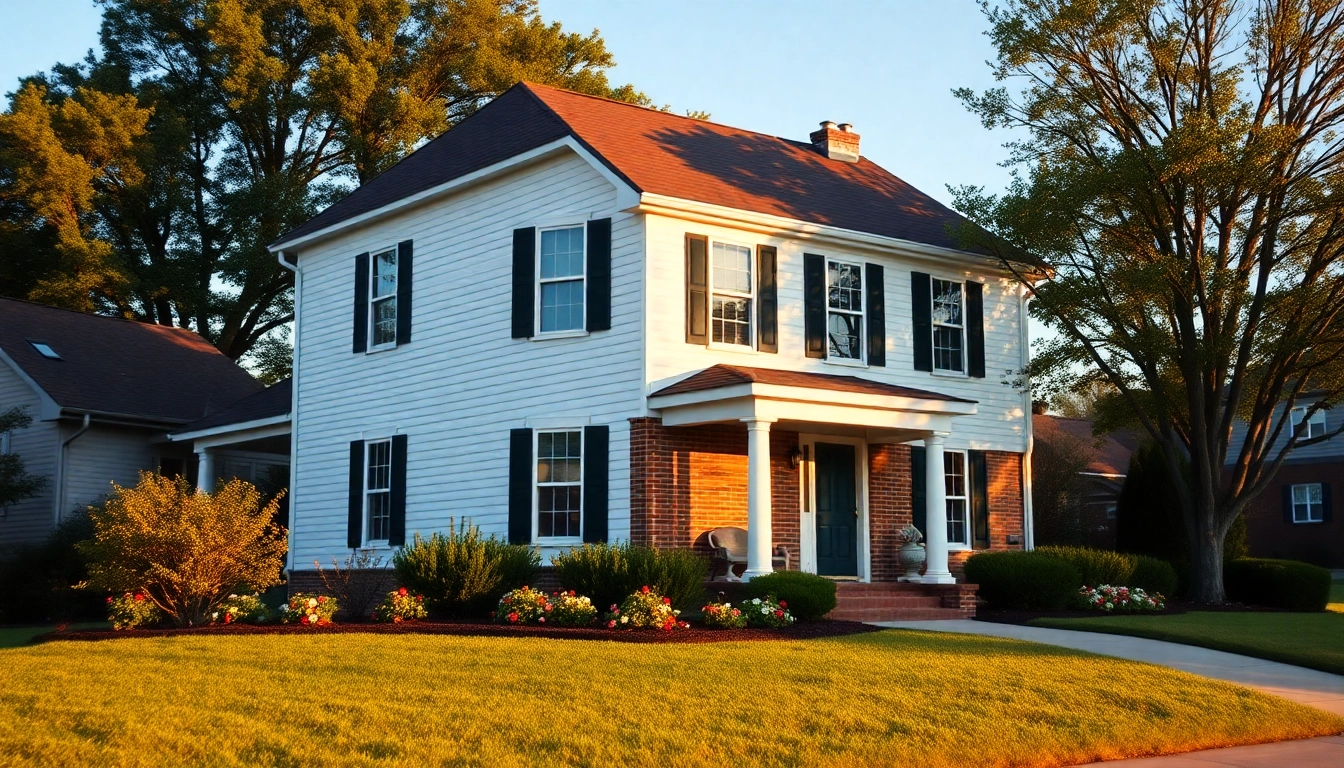
Colonial architecture refers to a style that originated in the early years of American society influenced by European designs, particularly from England, Spain, and France. This style is marked by its attention to symmetry, classic proportions, and functionality, often embodying styles like Georgian, Dutch, and Cape Cod. The classic elements include gable roofs, double-hung windows, and elegant columns, all echoing the aesthetics of early settlers’ homes.
Key Characteristics of Colonial Homes
- Symmetry: Colonial homes typically feature a balanced design with evenly spaced windows and doors.
- Two to Three Stories: The size of colonial homes often varies, but they generally range from two to three stories high.
- Formal Entrances: A well-defined front entrance with columns or canopies is prominent.
- Natural Materials: Traditional constructions utilized wood, brick, and stone, reflecting the available local materials.
Historical Context of Colonial Designs
Colonial homes evolved during the American colonial period (1600-1800) influenced by the cultural context of the time. Each region developed its own style based on local climate, resources, and cultural influences. For example, Georgian homes thrived in the Northeastern United States, whereas Southern colonial homes, like the plantation style, adapted to the warm climate with wide porches.
Planning Your Colonial Home Construction
Choosing the Right Location
Location is crucial for any construction project. When planning your colonial home construction, consider the historical context of the area. Look for neighborhoods that resonate with colonial history, provide natural beauty, and offer proximity to essential amenities like schools, shopping, and parks.
Design Considerations for Colonial Aesthetics
Incorporating colonial aesthetics requires thoughtful choices in design elements. Opt for a symmetrical facade, use traditional rooflines, and include window styles that reflect historical significance. Interior designs should also follow suit, with classic moldings, hardwood floors, and an emphasis on natural light.
Permits and Regulations for Construction
Navigating permits and local regulations is vital to the success of your colonial home construction. Each area has specific zoning laws, historical preservation guidelines, and building codes that must be adhered to. Engaging with local authorities early in the process can ensure a smoother construction experience.
Materials for Colonial Home Construction
Traditional Materials Used in Colonial Homes
Historically, colonial homes were built using materials readily available in the local area. Wood framing was common in regions with abundant forests, while bricks and stones were used in areas where they were easily accessible. Each material contributed to the functionality and durability characteristic of colonial homes.
Modern Alternatives to Classic Materials
While traditional materials lend authenticity, modern alternatives can enhance sustainability and reduce costs. Fiber-cement siding, insulated panels, and engineered wood products offer durability while maintaining aesthetic value. These alternatives can mimic historical materials without compromising on quality or performance.
Evaluating Material Sustainability and Durability
When selecting materials for your colonial home construction, consider sustainability and long-term durability. Research the environmental impact of materials, focusing on sourcing practices and energy efficiency. Opt for materials that not only reflect colonial charm but also support modern ecological standards.
Techniques in Colonial Home Construction
Foundation and Framing Methods
Foundations in colonial homes vary but often include crawl spaces or full basements built with stone or brick. The framing techniques focus on timber framing, enabling flexibility and strength. This method supports the weight of the home while allowing for intricate architectural designs.
Roofing Options for Colonial Styles
The roofs of colonial homes are typically gabled, a design that promotes effective water drainage and adds character. For modern constructions, consider materials like asphalt shingles, metal, or slate that reflect traditional aesthetics while providing weather resistance and energy efficiency.
Interior Finishes that Enhance Colonial Design
Interior finishes play a crucial role in defining the colonial aesthetic. Aim for period-appropriate details such as wainscoting, crown molding, and period-specific fixtures. Mixing traditional elements with modern conveniences can create a comfortable and elegant living space.
Maintaining Your Colonial Home
Preventive Maintenance Tips
Maintaining a colonial home requires attention to detail. Regularly inspect roofs, gutters, and foundations to prevent long-term damage. Periodic painting, caulking, and sealing will preserve the integrity and aesthetic charm of your home.
Restoration Practices for Historic Homes
For historic colonial homes, restoration must respect the original architecture. Use traditional techniques and materials that match the original construction. Engage with historic preservationists to ensure that restorations are historically accurate and compliant with local regulations.
When to Hire a Professional Contractor
Deciding when to hire a professional contractor can make a significant difference in your colonial home construction. Complex tasks, particularly those involving structural work or permits, should be handled by experienced professionals. Their expertise can save time and ensure compliance with regulations.
FAQs about Colonial Home Construction
What are the most popular styles of colonial homes?
The most popular styles include Georgian, Federal, Dutch, and Cape Cod, each reflecting different regional adaptations and historical influences.
How can I incorporate modern features into a colonial home?
Consider using modern materials that mimic historical aesthetics, along with contemporary fixtures and energy-efficient systems that maintain style while enhancing functionality.
What are common challenges in colonial home construction?
Common challenges include adhering to historical regulations, finding appropriate materials, and managing structural integrity while modernizing interiors.
How important is symmetry in colonial home design?
Symmetry is crucial in colonial design. It enhances aesthetic appeal and provides a balanced appearance, which is a hallmark of this architectural style.
When can I DIY my colonial home construction?
Minor renovations, landscaping, and simple interior updates can often be DIY projects. However, major structural changes should be handled by professionals for safety and compliance.