The Charm of Cape Cod Homes
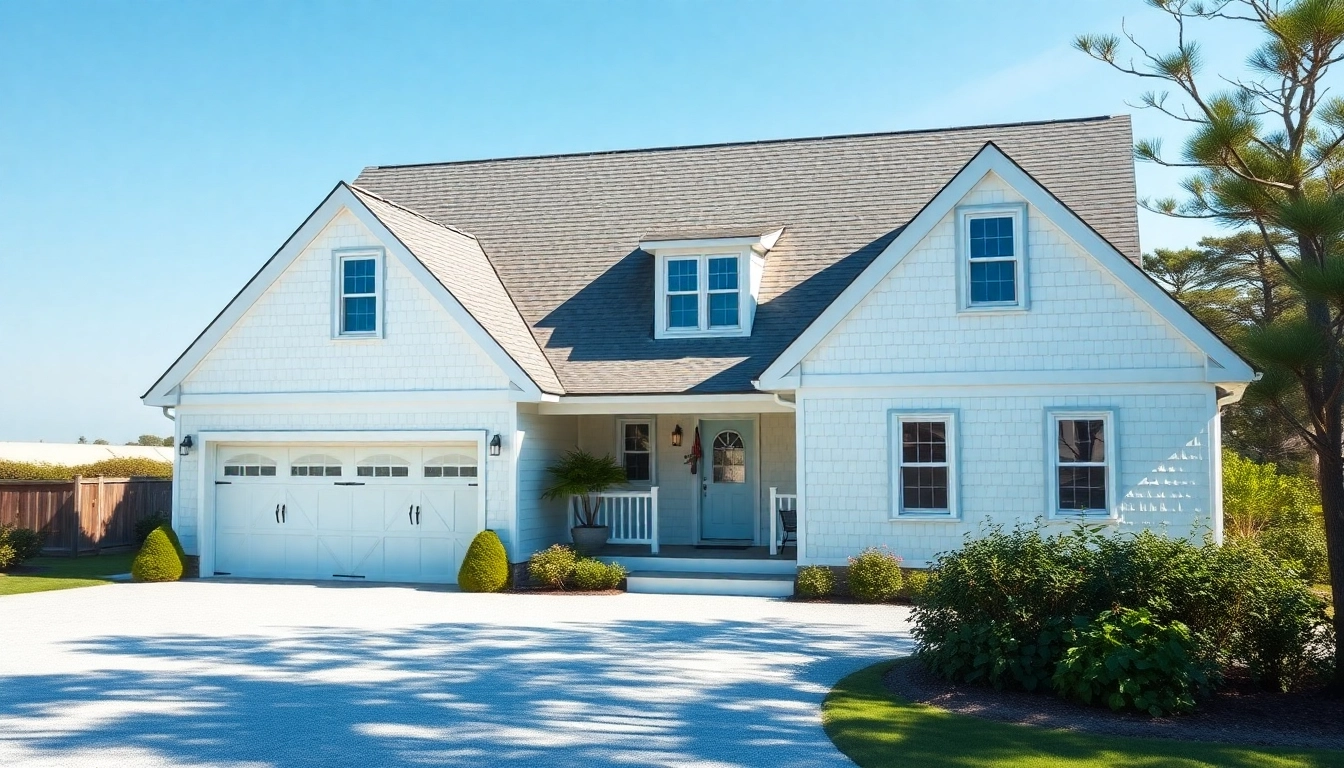
There’s something uniquely charming about cape cod homes. Nestled along the scenic New England coast, these homes draw from a rich architectural heritage that marries beauty with functionality. As we delve into the allure of these structures, we’ll explore their historical roots, distinctive features, and reasons why these homes continue to captivate owners and builders alike.
History of Cape Cod Architecture
Originating in the early 17th century, Cape Cod architecture was heavily influenced by the practical needs of those living in coastal Massachusetts. This style emerged as a response to the region’s harsh weather conditions. The early settlers sought to create simple, most often one-and-a-half-story homes that used readily available materials, primarily timber, to construct sturdy and warm dwellings.
The traditional Cape Cod home features steep roofs designed to combat snow accumulation and gabled dormers that add charm while providing extra living space. Over time, this architectural style evolved, incorporating elements from Georgian and Colonial styles, yet it remained rooted in functionality. The classic saltbox design, characterized by a long roof that slopes down to the back, became synonymous with Cape Cod homes and is still beloved today.
Key Features of Cape Cod Homes
What truly distinguishes Cape Cod homes are their key architectural elements:
- Symmetry: The layout is characterized by a symmetrical facade with evenly spaced windows and a central front door.
- Wood Siding: Typically painted in muted colors or left in natural wood finishes, the exterior showcases the architecture’s rustic charm.
- Chimneys: Often centrally located, they are functional as well as decorative, drawing attention to the cozy interiors.
- Steep Roof Pitch: Roof designs shed snow and rain effectively, making them ideal for coastal climates.
- Functional Layout: The interiors often reflect an open-concept style that maximizes space and light, offering a functional yet inviting environment.
Why Choose Cape Cod Homes?
Choosing a Cape Cod home extends beyond aesthetics; it also involves practicality. Here are a few compelling reasons to consider:
- Timeless Appeal: The classic style retains enduring popularity, ensuring that homes remain in demand.
- Energy Efficiency: Their compact design helps with insulation and energy conservation efforts.
- Versatility: Cape Cod homes can accommodate various design preferences, from traditional to modern adaptations.
- Strong Resale Value: The architectural integrity and charm often lead to strong resale values, making them a wise investment.
Designing Your Ideal Cape Cod Home
Designing a Cape Cod home is an opportunity to merge traditional features with modern comforts. Understanding the balance between honoring historical values and integrating contemporary elements is crucial for achieving an ideal living space.
Traditional vs. Modern Designs
When designing a Cape Cod home, homeowners often face the choice between traditional and modern aesthetics. Traditional designs embrace the historic charm of the architecture, utilizing classic color palettes, authentic materials, and period-appropriate decor. In contrast, modern designs may incorporate sleek lines, open spaces, natural light, and innovative materials that reflect contemporary living.
To achieve a harmonious result, many opt for a *transitional* design that merges both styles. For instance, a standard Cape Cod structure can be updated with modern insulation and energy-efficient appliances while retaining its rustic charm through wood accents and shingle siding. Understanding your preferences and functional needs is key to this design process.
Incorporating Green Building Practices
As sustainability rises to the forefront of architectural design, integrating green building practices into your Cape Cod home becomes increasingly important. Various strategies include:
- Energy-efficient windows: Double or triple-glazed windows enhance thermal performance and reduce energy costs.
- Solar panels: Investing in a solar energy system provides long-term savings and decreases carbon footprints.
- Eco-friendly materials: Utilize locally sourced timber and low-VOC (volatile organic compounds) paints for healthy indoor air quality.
Adopting these practices ensures that your home not only embraces beauty but also contributes positively to the environment.
Choosing the Right Materials
Material selection is critical in building a Cape Cod home. The use of natural materials like wood contributes to the architecture’s coastal character. Additionally, durability is essential to withstand weather conditions. Options to consider include:
- Cedar shingles: These are not only aesthetically pleasing but also naturally resistant to moisture and decay.
- Composite materials: Low-maintenance and often recyclable, these can mimic traditional designs without the ongoing upkeep.
- Stone foundations: Enhancing stability and aesthetics, they offer a rustic element that complements wood siding.
Building an Attached Garage: Considerations
As homeowners look for solutions to functionality in Cape Cod homes, the addition of an attached garage is a popular choice. However, careful consideration is necessary to integrate this feature seamlessly.
Benefits of Attached Garages
Attached garages provide numerous advantages:
- Convenience: Direct access from home protects against inclement weather and enhances daily convenience.
- Storage Space: They often provide additional room for tools, outdoor equipment, and seasonal items.
- Increased Home Value: Quality-built garages can significantly boost property value when well-designed and maintained.
Permitting and Regulations
Before undertaking any construction project, understanding zoning laws and permitting requirements is essential. Local regulations may dictate:
- Setback requirements from property lines.
- Height restrictions and materials allowed.
- Design reviews to ensure architectural compatibility with the existing structure.
Consulting local authorities or a knowledgeable architect can help navigate these complexities to ensure compliance.
Design Integration with Cape Cod Homes
To maintain architectural harmony, the design of the garage should be cohesive with the rest of the home. Considerations include:
- Rooflines: Matching the pitch and direction of the house roof contributes to a unified appearance.
- Materials: Continue using the home’s materials (like wood siding) to create visual continuity.
- Color Schemes: Maintain the color palette used in the home to ensure that the garage blends seamlessly.
Landscaping for Cape Cod Homes
Landscaping is an essential component when designing a Cape Cod home. It enhances the exterior aesthetic while contributing to the overall charm of the property.
Best Plants for Coastal Climates
Selecting the right plants is crucial for creating a sustainable and visually appealing landscape. Some of the best choices for coastal climates include:
- Beach Grass: This native grass thrives in sandy soils and provides excellent erosion control.
- Seaside Goldenrod: Known for its vibrant yellow blooms, it attracts pollinators and thrives in coastal soils.
- Blueberry Bushes: Both practical and beautiful, these bushes provide delicious fruit and stunning fall colors.
Outdoor Living Spaces
Creating outdoor living areas enhances enjoyment and functionality. Consider these elements to maximize usage:
- Patios and Decks: Ideal for al fresco dining, lounging, and entertaining, creating these spaces increases usability.
- Fire Pits: A place for gathering on cool evenings, fire pits can act as a focal point in your outdoor area.
- Shaded Areas: Pergolas or awnings provide relief from the sun and enhance visual appeal.
Maintaining Curb Appeal
Maintaining a fresh look ensures that your Cape Cod home stands out. Regular maintenance tasks include:
- Trimming and Pruning: Neat landscaping creates a clean view and emphasizes the home’s architectural features.
- Siding Care: Regular cleaning and refinishing of wood siding are essential to prevent rot and decay.
- Color Consistency: Touch up paint and treatment regularly to preserve the home’s vibrant aesthetic.
FAQs About Cape Cod Homes
What are the typical costs of building a Cape Cod home?
The costs can vary widely based on location, size, and specifications, but you can typically expect it to be between $150 to $300 per square foot.
How do Cape Cod homes handle coastal weather?
They are designed with slope roofs and are built using durable materials that stand strong against wind and moisture, ensuring resilience against harsh weather.
Can Cape Cod homes be energy efficient?
Absolutely! By incorporating energy-efficient windows, insulation, and appliances, Cape Cod homes can achieve impressive energy savings and sustainability.
What styles complement Cape Cod architecture?
Styles such as Colonial, Shingle, and even contemporary designs can enhance the classic charm of Cape Cod architecture while maintaining visual harmony.
Are there specific permits needed for home expansions?
Yes, building permits are usually required, and local zoning laws may also govern expansion plans, especially in coastal areas.