
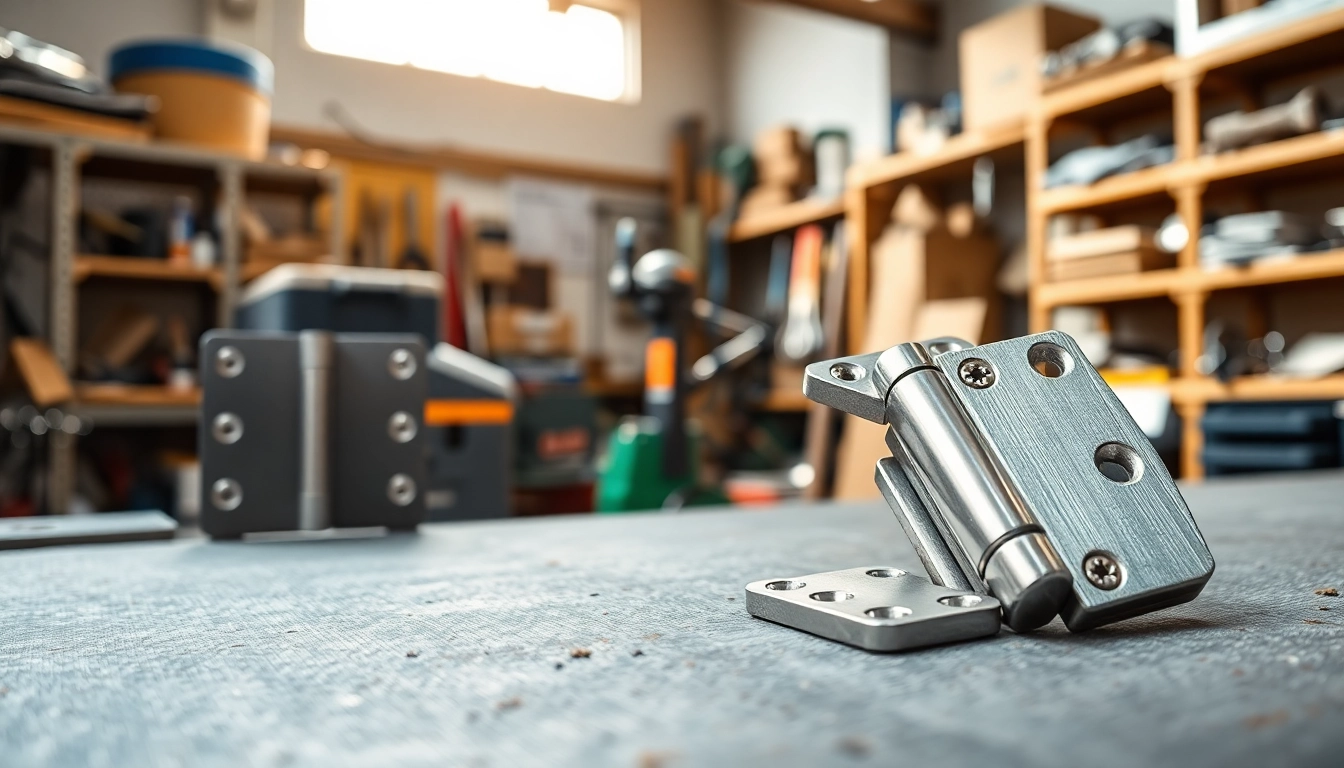
Understanding Different Types of Hinges
When considering the best options for your project, understanding the various types of hinges available is paramount. A hinge may appear to be a simple mechanical device, yet its function and the choice of the appropriate type can significantly affect both the usability and aesthetics of a project. Each type of hinge has specific features, benefits, and potential drawbacks, making it crucial to match the hinge to the intended application. For those looking for quality options, a reliable Hinge Supplier is essential.
Common Hinge Materials: Pros and Cons
The material from which a hinge is made dramatically influences its performance, durability, and suitability for particular environments. Here’s a breakdown of some common hinge materials:
- Steel: Known for its strength and durability, steel hinges are ideal for heavy doors and gates. However, they may be prone to rust if not properly treated.
- Stainless Steel: Stainless steel offers excellent corrosion resistance, making it suitable for outdoor and marine applications. It’s also an aesthetic choice due to its shiny finish.
- Brass: Brass hinges provide a classic look and natural corrosion resistance. However, they may not hold up under extreme weight and are less durable than steel options.
- Plastic: Lightweight and inexpensive, plastic hinges are suitable for lightweight applications and offer corrosion resistance. Their load-bearing capacity is limited, however.
- Aluminum: Aluminium hinges are lightweight and resistant to rust, which is beneficial for projects where weight is a concern. They are, however, less suited for heavy-duty applications than steel.
Types of Hinges and Their Applications
Different types of hinges serve various purposes. Here are a few common types:
- Butt Hinges: Often used in doors, they consist of two plates joined by a pin. Ideal for residential applications.
- Continuous Hinges: Also known as piano hinges, these run the entire length of the door, providing uniform support. They are perfect for cabinets and heavy doors.
- Pivot Hinges: These allow doors to swing open and closed from a single point, often used in commercial entries to allow for a more extensive opening range.
- Concealed Hinges: As the name suggests, these are hidden when the door is closed, making them aesthetically pleasing for furniture and cabinetry.
- Spring Hinges: These can automatically close doors without the need for a separate mechanism, commonly used for self-closing doors in commercial buildings.
Which Hinge Fits Your Specific Project?
Choosing the right hinge for your project involves assessing a variety of factors, including door weight, frequency of use, and environmental conditions. For example, heavy-duty butt hinges may be appropriate for a large entryway door, while a concealed hinge might work best for a sleek cabinet design. Conducting a thorough needs assessment helps ensure you select a hinge that aligns with your project’s specific requirements.
Factors to Consider When Selecting a Hinge Supplier
Once you’ve determined the type of hinge required for your project, the next step is selecting a trustworthy supplier. This decision can greatly impact the overall quality and performance of your hinges.
Quality Certifications and Standards
It is crucial to verify whether a hinge supplier meets industry standards and quality certifications. These certifications ensure that the products meet specific performance metrics and safety guidelines. Look for suppliers who are ISO certified or those who have adherence to other relevant standards. This assurance can save you headaches down the line, particularly when dealing with large-scale projects.
Supplier Reliability and Reputation
The reliability of your hinge supplier plays a significant role in your project’s success. Check for supplier reviews, testimonials, and their track record with delivery times. Select a supplier known for their quality service and timely shipments to avoid unnecessary project delays.
Distribution and Delivery Options
Selecting a hinge supplier that offers various distribution and delivery options is equally essential. Assess the supplier’s shipping practices and whether they can accommodate your location and timeline. Efficient and flexible delivery options can significantly benefit your planning process.
How to Evaluate Hinge Supplier Products
Evaluating the products offered by hinge suppliers is critical to ensure you make a wise investment. Here are the evaluation criteria to consider:
Performance Metrics for Hinge Durability
Durability is a key attribute when evaluating hinge performance. Look for hinges that withstand heavy use without compromising structural integrity. Check for metrics such as cycle test ratings and load capacities, which can provide insight into the longevity of the product.
Sample Testing and Prototyping
Requesting samples or prototypes from suppliers can help you assess the functionality and suitability of their products for your unique application. This hands-on approach allows you to evaluate the hinge’s fit, finish, and material performance firsthand.
Customer Feedback and Ratings
Customer feedback is invaluable when evaluating suppliers. Look for reviews or case studies that demonstrate product performance in real-world applications. Positive ratings from previous clients serve as a good indicator of a supplier’s reliability and product quality.
Best Practices for Sourcing from a Hinge Supplier
To maximize your sourcing experience from a hinge supplier, consider implementing the following best practices:
Establishing Long-term Relationships
Building a strong, long-term relationship with a hinge supplier can lead to better pricing, priority service, and access to the latest products and innovations. Regular communication and trust can facilitate smoother transactions and more cooperative problem-solving.
Navigating Pricing and Contracts
A clear understanding of pricing structures and contract terms is critical for successful sourcing. Ensure that you review and negotiate the terms so that you can get the best value while protecting your interests.
Benefits of Bulk Purchasing from a Hinge Supplier
Consider the advantages of bulk purchasing. Buying hinges in larger quantities can often lead to significant cost savings. In addition, maintaining a stockpile can reduce lead times for future projects, allowing for a seamless workflow.
FAQs About Hinge Suppliers
What types of hinges do suppliers typically offer?
Suppliers commonly offer butt hinges, piano hinges, concealed hinges, pivot hinges, and spring hinges, catering to various applications.
How can I determine the best hinge supplier for my needs?
Evaluate suppliers based on quality certifications, product offerings, customer reviews, reliability, and delivery options to find the best fit.
What certifications should I look for in a hinge supplier?
Look for suppliers with ISO certifications or those that comply with relevant industry standards for quality and safety.
How important is the material of the hinge?
The material impacts durability, load capacity, and resistance to corrosion, making it essential to choose the right material for your application.
What is the average lead time from a hinge supplier?
Lead times can vary; however, most suppliers aim to process orders within 2-4 weeks, contingent on specific products and quantities.