
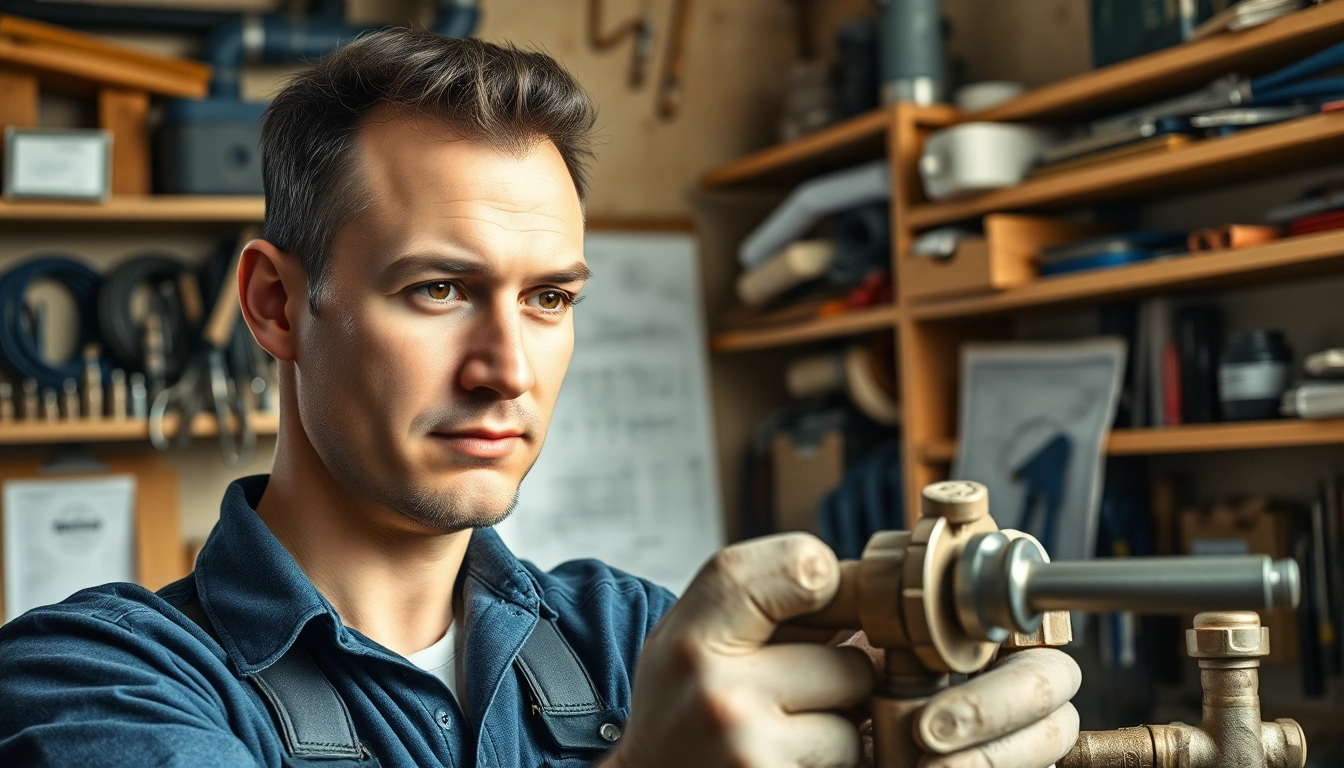
Understanding the Plumbing Apprenticeship
What is a Plumbing Apprenticeship?
A plumbing apprenticeship is a structured training program that combines on-the-job training with classroom instruction, designed for individuals who are entering the plumbing trade. This apprenticeship usually lasts for about four to five years and allows apprentices to work closely under the supervision of skilled plumbing professionals. Throughout this period, apprentices learn essential plumbing skills, safety practices, and technical knowledge necessary to succeed in the field. Importantly, completing a plumbing apprenticeship often leads to a state license, allowing individuals to work as certified plumbers. For those considering this rewarding career path, engaging in a plumbing apprenticeship can pave the way for both professional and personal growth.
Benefits of Pursuing a Plumbing Apprenticeship
Choosing to pursue a plumbing apprenticeship comes with numerous advantages:
- Hands-On Experience: Apprentices gain practical skills under real-world conditions, preparing them for various challenges they will face in their careers.
- Earn While You Learn: Apprentices earn a salary throughout their training, allowing them to support themselves as they develop their craft.
- High Demand: Skilled plumbers are in constant demand, ensuring good job prospects and potential for advancement.
- Career Advancement: Completing an apprenticeship opens doors to additional certifications, specialties, and managerial positions in the future.
- Networking Opportunities: Apprenticeships enable individuals to build meaningful contacts with professionals and employers in the plumbing industry.
Myths about Plumbing Apprenticeships
Despite the valuable opportunities they offer, several misconceptions about plumbing apprenticeships persist:
- Myth 1: Plumbing is a low-paying job.
Reality: Skilled plumbers can earn competitive salaries, especially those who are licensed and have specialized skills. - Myth 2: You don’t need a degree to be successful.
Reality: While not all plumbing jobs require a college degree, completing an apprenticeship is essential for developing the necessary skills. - Myth 3: Plumbing is only about fixing pipes.
Reality: Plumbing encompasses a wide array of tasks, including installation, maintenance, and design of wastewater systems, hot water systems, and more. - Myth 4: Apprenticeships are only for young students.
Reality: People of all ages can pursue plumbing apprenticeships as a means to change careers or acquire new skills.
Requirements for Plumbing Apprenticeship
Educational Prerequisites
Generally, individuals interested in a plumbing apprenticeship must meet specific educational criteria. Most programs require at least a high school diploma or equivalent. Some employers may also prefer applicants with additional coursework in mathematics, science, and possibly vocational training in plumbing topics. These foundational subjects enhance the understanding and skills necessary for plumbing and related technical work.
Skills Needed for Aspiring Plumbers
A successful career in plumbing requires a diverse skill set. Here are essential skills aspiring plumbers should focus on:
- Problem-Solving Skills: Plumbers need critical thinking abilities to identify issues and design efficient solutions.
- Technical Skills: Familiarity with plumbing systems, tools, and technology is crucial for effective installations and repairs.
- Physical Stamina: Plumbing can often require heavy lifting and working in cramped spaces, so physical fitness is vital.
- Communication Skills: Being able to communicate clearly with clients and team members ensures projects run smoothly.
- Attention to Detail: Precision is key in plumbing to prevent leaks and ensure safety.
Licensing and Certification Basics
In most regions, aspiring plumbers must obtain appropriate licensing to work legally. The licensing process typically involves completing an apprenticeship program, passing exams, and sometimes fulfilling additional requirements such as continuing education. Certifications from recognized professional organizations may also enhance job prospects and validate skill levels in specific areas of plumbing.
Choosing the Right Plumbing Apprenticeship Program
How to Research Plumbing Programs
Finding a reputable plumbing apprenticeship program involves thorough research. Start by checking local trade schools, community colleges, and plumbing unions. Websites, vocational schools, and local government occupational listings may provide options to explore. Additionally, discussions with other plumbing professionals can yield invaluable insight into quality programs.
Key Factors for Selecting a Program
When evaluating apprenticeship programs, consider the following factors:
- Accreditation: Ensure that the apprenticeship program is accredited and recognized within the industry.
- Curriculum: Review the course content to ensure it covers essential topics and practical training sufficient for a successful career.
- Duration of Training: Program length can vary; select one that meets your career goals and timelines.
- Job Placement Rates: Research the program’s job placement statistics for their graduates as this indicates the effectiveness of their training.
- Tutoring and Support: Look for programs that offer mentorship, support, and additional resources for apprentices.
Questions to Ask Potential Employers
Before entering a plumbing apprenticeship, aspiring plumbers should ask potential employers several key questions:
- What are the specific responsibilities expected of an apprentice?
- Can you describe the mentorship structure within the company?
- What types of projects will I be involved in during my apprenticeship?
- Are there opportunities for further training and advancement after completing the apprenticeship?
- How does your company approach safety training and compliance?
Training and Techniques in Plumbing Apprenticeship
On-the-Job Training Versus Classroom Learning
The plumbing apprenticeship model integrates both on-the-job training and classroom instruction, ensuring a well-rounded education. On-the-job training emphasizes hands-on experience and practical skills acquired in real-world plumbing environments. Meanwhile, classroom learning covers theoretical concepts, safety regulations, and industry best practices. This dual approach helps apprentices fully understand technical components while preparing them for the challenges faced on-site.
Essential Plumbing Skills to Master
To become a competent plumber, an apprentice must master a variety of skills, including:
- Pipefitting: Understanding how to measure, cut, and connect pipes efficiently.
- Installation of Fixtures: Learning to install sinks, toilets, and other plumbing fixtures to ensure accurate functionality.
- Drainage Systems: Knowledge of how drainage systems work and how to maintain them.
- Blueprint Reading: The ability to interpret technical drawings for plumbing installations and renovations.
- Compliance with Codes: Familiarity with local plumbing codes and regulations is vital for legal and safe operations.
Tools of the Trade
Familiarity with various tools and equipment is essential for effective plumbing work. Some commonly used tools include:
- Pipe Wrenches: Used for gripping and turning pipes.
- Plumbers’ Fittings: Important for connecting different sections of piping.
- Drain Augers: Tools used to clear blockages in drains.
- Pressure Gauge: Necessary for measuring water pressure and ensuring systems function correctly.
- Power Tools: Tools like drills and saws are often used in plumbing installations.
Career Opportunities After Plumbing Apprenticeship
Advancing Your Career Beyond Apprenticeship
Once the plumbing apprenticeship is complete, many opportunities for career advancement become available. Graduates can pursue further training and certifications specific to areas such as gas fitting, pipe fabrication, or HVAC installations. Some skilled plumbers also choose to start their own businesses or advance into managerial roles, overseeing teams and projects.
The Potential for Specialization
The plumbing field offers an array of specializations for those looking to enhance their skills and marketability. Some common areas of specialization include:
- Residential Plumbing: Focused on home plumbing systems.
- Commercial Plumbing: Involves complex systems found in businesses and larger structures.
- Service and Repair: Specializes in troubleshooting and fixing plumbing issues.
- Pipefitting: Concentrates on industrial plumbing and pipe installation.
- Heating and Cooling: Specializes in the installation and maintenance of HVAC systems.
Job Market Insights for Plumbers
The job market for plumbers remains strong, driven by continuous demand for both new construction and maintenance services. The increasing complexity of plumbing systems, along with aging infrastructures that require updates, ensures a healthy demand for skilled plumbing professionals. With a plumbing apprenticeship, you not only position yourself at the forefront of this growing industry, but also improve your long-term job security and earning potential.
FAQs about Plumbing Apprenticeships
1. How long does a plumbing apprenticeship typically last?
A plumbing apprenticeship usually lasts between four to five years, combining on-the-job training with classroom instruction.
2. What are the costs associated with plumbing apprenticeships?
Costs can vary, but generally apprentices do not pay tuition; instead, they earn a wage while learning on the job.
3. Can I begin an apprenticeship without prior experience?
Yes, many apprenticeship programs do not require prior experience, but a strong interest in plumbing is important.
4. Are plumbing apprenticeships available in all regions?
Most regions offer plumbing apprenticeship programs through trade schools, vocational schools, or unions; availability may vary.
5. What skills will I learn during my plumbing apprenticeship?
Apprentices will learn crucial skills such as pipefitting, fixture installation, and knowledge of plumbing codes and safety practices.